Membership
Meet a Member
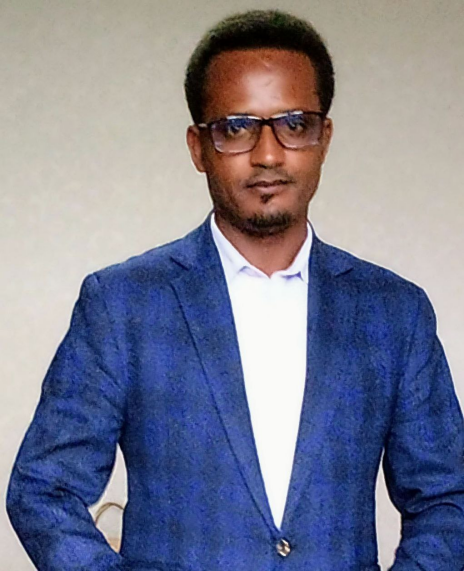
Berihun Assefa Demissie
1. What is your name and current affiliation?
My name is Berihun Assefa Demissie, and I am currently the Director of Rehabilitation and Palliative Care and a Senior Physiotherapy Lecturer at the College of Medicine and Health Sciences, Bahir Dar University, Ethiopia.
2. What is your area of expertise and current research focus?
My expertise lies in physiotherapy and rehabilitation, with extensive experience in clinical practice, academic mentorship, leadership, and humanitarian response. My current research focuses on pelvic floor dysfunction and the role of indigenous knowledge in managing musculoskeletal conditions. Additionally, I am deeply engaged in the teaching and evidence-based practice of neurological and neurodevelopmental disorders, with the overarching goal of enhancing the quality of life for vulnerable populations.
3. What do you consider to be your most influential or significant career achievement or milestone, and why?
Early Career as clinician: I contributed to the management of birth defects such as spina bifida hydrocephalus (SBH) and clubfoot, supporting individuals with varying levels of impairment. I also coordinated rehabilitation and prosthetics–orthotics services, strengthening access to essential care.
Academic Leadership: I played a pivotal role in establishing the Physiotherapy program and served as Head of Department for four consecutive years. During this time, I ensured the development of competent physiotherapy professionals and integrated clinical physiotherapy services within our teaching hospital. In recognition of my contributions, I was appointed Director of Rehabilitation and Palliative Care. In this role, I am currently finalizing the establishment of the Tana Pediatrics Rehabilitation Unit, which primarily focuses on children with birth defects such as neural tube defects and neurodevelopmental delays.
Training & Teaching: Among my various roles as a Trainer of Trainers (TOT), I am a certified training provider in the early detection, referral, and facilitation of developmental milestones for children with neurodevelopmental delays. I also teach undergraduate physiotherapy courses, including Pediatrics, Neurological Conditions, Evidence-Based Practice, and Professional Ethics.
National Contribution: One of my most notable achievements was serving as a national committee member for the development and review of Ethiopia’s BSc Physiotherapy curriculum and qualification standards. For this contribution, I received a recognition certificate from both the Ethiopian Physiotherapy Association and Bahir Dar University. This milestone is particularly impactful as it helps shape physiotherapy education in Ethiopia, ensuring evidence-based practice and global alignment.
Policy & Development: I am also among the few professionals actively involved in developing national Continuing Professional Development (CPD) programs. My contributions extend beyond regional initiatives and include participation in the formulation of a Rehabilitation Strategic Plan and the development of the National Basic Rehabilitation Package (2024/2025).
4. Why did you choose birth defects as your major research interest?
I chose birth defects as a major focus of my research and clinical teaching because my professional exposure has largely centered on congenital birth defects (CBDs). In particular, early intervention in congenital conditions can significantly improve functional outcomes and quality of life. My clinical experience with children affected by neurodevelopmental delays and musculoskeletal disorders highlighted the urgent need for research-driven strategies to prevent disability and promote inclusion.
5. What led you to join BDRP, and what does being involved in BDRP mean to you?
I joined BDRP because of its strong commitment to advancing research and fostering collaborative solutions for birth defects prevention and care. Being involved in BDRP means contributing to a global network that shares knowledge, drives innovation, and advocates for policies that reduce the burden of birth defects, particularly in low-resource settings.
6. What do you hope to give to and receive from the BDRP community?
I hope to share my experiences in rehabilitation and community-based interventions, collaborate on research projects, and contribute to capacity-building initiatives. In return, I seek to gain access to cutting-edge research, mentorship, and global best practices that will strengthen my work in Ethiopia and beyond.
7. In your free time, what are your hobbies, interests, or fun ways you like to relax?
In my free time, I enjoy reading and engaging in community service activities. I also find relaxation in listening to inspirational podcasts and spending quality time with family and friends.